



7 Causes of Shin Splints
Does this sound familiar? You go for a run on hilly terrain or you play basketball on a hard concrete court, and soon you notice that there’s a dull ache along the inside of your shin.
Athletes and non-athletes alike can experience the pain of shin splints. Although the pain often eases as soon as you stop exercising, it can linger and eventually cause continuous pain.
Shin splints, or medial tibial stress syndrome, are the most common cause of lower-leg pain in athletes. Experts suspect shin splints affect anywhere from 5% to 35% of all runners.
“Shin splints” is an umbrella term that refers to a number of conditions that cause diffuse pain along the inside shin. These conditions include injury to:
*Calf muscles, such as the soleus, tibialis posterior, or flexor digitorum longus.
*The crural fascia, a thin, fibrous tissue that envelopes muscle in the lower leg.
*The periosteum, a connective tissue that covers the shin bone. Inflammation of the periosteum is called periostitis.
“Medial tibia” is the medical term for the inside of the shin. Pain is typically felt in the bottom 2/3 of the medial tibia.
Other causes of lower leg pain in athletes include tibial stress fractures, exertional compartment syndrome, and entrapment of the popliteal artery. These medical conditions are considered serious and require medical attention.
Shin Splint Symptoms:
Below are common symptoms associated with shin splints. Although mild swelling sometimes occurs, notable swelling of the lower leg, numbness, and weakness are not associated with shin splints and should prompt evaluation for other disorders.
Dull pain.
Athletes report a dull pain that affects most of the inside shin (medial tibia), particularly in the middle or lower part of the shin.
Pain occurs during activity. Shin pain typically develops while running or doing other athletic activities, such as dancing, or shortly after these activities. As the condition progresses, pain may be noticeable even when walking.
The inside of the shin may be tender and painful if pressed or squeezed.
Tight calf muscles. Athletes may notice their calf muscles are tight.
Decreased ankle flexibility. Just as the calf muscles may become tight, the ankle may become less flexible.
The symptoms of shin splints and tibial stress fractures can be similar. Shin splints differ from stress fractures on two ways:
Shin splints tend cause dull or diffuse pain, in contrast to stress fractures, which tend to cause sharp pain that is concentrated to one area.
Shin splints cause pain on the inside of the shin, not the front of the shin. Pain on the front of the shin, or tibia, may represent a stress fracture.
These are 7 factors that can potentially trigger shin splints for athletes:
Starting or intensifying a sport or training.
Shin splints are common when someone is starting a new sport or training regimen as tissues respond to increased use.
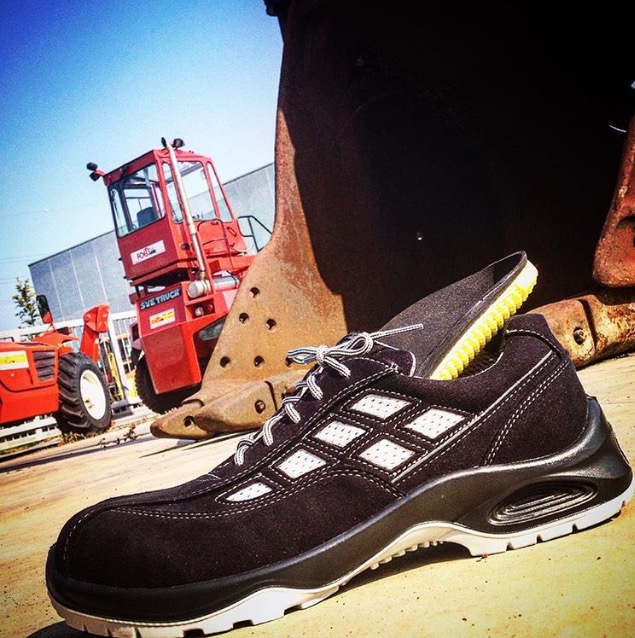
Wearing unsupportive shoes.
Shoes that don’t offer good support and cushioning—even some running shoes—can be a trigger.
Running or playing sports on hard surfaces.
This is especially true if you’re making a lot of starts and stops, jumping, or running on a hard surface. This can also make you more susceptible to stress fractures.
Running on hilly or uneven terrain.
Activity that makes your legs and feet readjust frequently can increase the likelihood of shin splints.
Having preexisting foot and ankle problems.
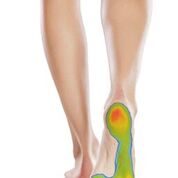
These include flat feet, high arches, or hyperpronation, which is a gait problem that occurs when too much weight falls on the inside of the foot.
Having poor running form.
This can include your feet hitting the ground too forcefully at the heel.
Having tight calf muscles. Tight calf muscles can put extra pressure on your shins.
Often, shin splints can be treated with rest, ice, and over-the-counter pain medications for a few days, and then you can resume activity.
If you experience shin splints on a regular basis, you may need to:
*Adjust your training schedule
*Invest in new shoes
*Use shin sleeves or shin wraps for extra support and compression
*Use shoe inserts if you’ve been diagnosed with flat feet, high arches, or hyperpronation
*Do stretching exercises if your calf muscles are tight
Also, your doctor or a physical therapist can assist you with evaluating your gait, teaching you helpful stretches or exercises, or administering additional treatments such as electrical stimulation or ultrasound.
If your shin splint pain is severe, sharp, or long-lasting, be sure to see your doctor to rule out other injuries, such as a tibial (shin bone) stress fracture.
Shin Splints Causes and Risk Factors:
Shin splints are overuse injuries, meaning they occur over time though repeated use. Shin splints occur most often in people who:
*Intensify training.
A rapid change in training, such as increasing volume or intensity, can bring on shin splint pain. Shin splints are common early in a sports season when people start or intensify training.
*Hyperpronate.
Excessive pronation refers to when most or all of the body’s weight rest on the inside sole of the foot. Hyperpronation can cause increased eccentric loading of the soleus and tibialis posterior muscles in the calf, which can lead to shin splint pain.
*Have flat feet (pes planus).
Like people who hyperpronate, people who have flat feet, called pes planus, tend to put more stress on the inside sole of the foot.
*Have slightly different leg lengths.
A person can have slightly different leg lengths and not be aware of it. A relatively small leg length difference can cause problems in running biomechanics, leading to shin splints or other repetitive use injuries.
*Wear improper footwear.
Running shoes that do not provide enough cushion and support proper foot mechanics may encourage the development of shin splints.
*Run on hard surfaces.
Running on hard surfaces, such as concrete sidewalks, increases the impact on the musculoskeletal system and can lead to shin splints.
*Run on uneven surfaces.
Running on uneven trails or pavement can force the body to make constant adjustments, causing strains that can lead to shin splints.
*Have bad running form.
A runner who has poor form puts additional stress and strain on the musculoskeletal system, which can lead to shin splints.
A person with shin splints may have only one of these risk factors or all of them.
Shin Splints Treatment:
The majority of patients are able to treat their shin splints with rest and other home-care methods, but some need help from medical professionals. Several of the treatments listed below can be done at home, while others require a doctor or physical therapist.
Cut back on training.
Athletes should decrease training to a point where discomfort is no more than mild. This may require taking some time off running and sports. During this time, athletes can do non-impact cross-training, such as water running, cycling or using an elliptical machine.
Improve running form.
Adjustments in running form can lessen the impact on the body, thereby decreasing the likelihood the shin splints will become chronic or more painful. For example, a running technique that lessens the risk of shin splints is to avoid footfall on the heel and move to the mid- or forefoot.
Use shin sleeves or shin wraps.
These products provide compression and support for the lower leg and may decrease shin splint pain. Shin sleeves and wraps are available at sporting good stores and online.
Change shoes.
Switching out athletic shoes for newer or different pair can decrease the impact when feet hit the ground.
Use shoe inserts.
Like changing shoes, using inserts (orthotics) can help, especially for athletes with flat feet.
Ice.
Applying a cold pack for 20 minutes two or three times a day can decrease inflammation.
If your shin splint pain is severe, sharp, or long-lasting, be sure to see your doctor to rule out other injuries, such as a tibial (shin bone) stress fracture.
References/Authors:
Robert P Wilder MD
Carrie Devries
Newman P, Witchalls J, Waddington G, Adams R. Risk factors associated with medial tibial stress syndrome in runners: a systematic review and meta-analysis . (Abstract only.) Open Access J Sports Med. 2013 Nov 13;4:229-241. eCollection 2013. Review. PubMed PMID: 24379729; PubMed Central PMCID: PMC3873798.